So getting back to foods and how they work in the body, we come to grains. It is a contentious subject these days, some say there is nothing wrong, others say in moderation. Let’s get straight into it.
Types of grains
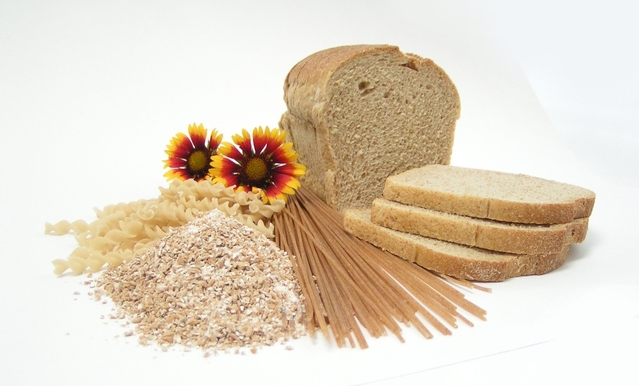
Most people are familiar with different types grains. Grains are a significant source of calories, mainly from carbohydrates (carbs). They also have other nutrients, like vitamins and minerals.
Here is a list of different grains, some you may have heard of, some not so much.
Amaranth (Amaranthus cruentus)
Barley (Hordeum vulgare)
Buckwheat (Fagopyrum esculentum)
Bulgur (Triticum ssp.)
Corn (Zea mays mays)
Einkorn (Triticum monococcum L)
Farro / Emmer (Triticum turgidum dicoccum)
Fonio (see Millet)
Freekeh (Triticum turgidum var. durum)
Kamut® Khorasan Grain (triticum turgidum turanicum)
Kañiwa (Chenopodium pallidicaule)
Millet (Panicum miliaceum, Pennisetum Glaucum, Setaria italica, eleusine coracana, digitaria exilis)
Oats (Avena sativa)
Quinoa (Chenopodium quinoa)
Rice (Oryza sativa)
Rye (Secale cereale)
Sorghum / Milo (Sorghum spp.)
Spelt (Triticum aestivum spelta)
Teff (Eragrostis tef)
Triticale (x triticosecale rimpaui)
Wheat (Triticum aestivum; Triticum turgidum)
Wild Rice (Zizania spp.)
Anti-nutrients: Glutens, Lectins, and Phytates
While grains may have vitamins and minerals, there are compounds called anti-nutrients that prevent the body from absorbing them. Or they may attack the body itself so that it cannot work properly. The three main ones are glutens, lectins, and phytates.
Gluten
A lot of people are now familiar with gluten as it has become prevalent within our culture. Celiac disease has become more prevalent, or rather, better diagnosed. There are varying degrees of gluten sensitivity as well. Gluten is found in wheat, barley and rye. It is a protein compound made up of gliadin and glutenin. When someone has Celiac, it completely destroys their digestive tract. It has also been determined that, while not as severe, gluten wreaks havoc on the digestive tract of non-celiac gluten sensitive peoples.
Lectin
Lectins (no, not lecithin) bind to our intestinal lining, preventing the body from properly digesting proper nutrients. Not only that, lectin binds to INSULIN receptors, which means that your blood sugar is not going to be controlled properly. In addition to all of that, lectins seem to induce leptin resistance. What is leptin resistance you ask? It is a condition where your brain is starved and cannot recognize that your body has enough fat/energy. Yay for a starved brain!
Phytates
Phytates are the ones that bind to nutrients making it so that your body cannot absorb them.
That means all of those vitamins and minerals that grains are supposed to have are kind of unavailable to us because of phytates.